


Commercial flat roof repair in Farmers Branch, TX should be planned around the building as well as the roof. A localized repair may be technically straightforward, but access, protected inventory, tenant activity, noise, weather exposure, and rooftop equipment can all affect how the work is scheduled. Anderson Industrial Roofing provides flat roof repair for commercial properties throughout its service area. Call 866-949-8016 to discuss the roof and the building’s operating needs.
Farmers Branch is part of Anderson Industrial Roofing’s service area. For a repair project, the goal should be to define the roof problem, confirm the repair scope, and coordinate the work so the property can operate as normally as practical without compromising safety or weather protection.
How Flat Roof Repair Can Limit Business Disruption
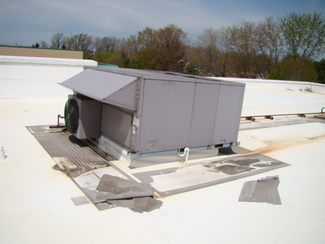
Commercial flat roofs can develop punctures, seam failures, flashing defects, drainage problems, and localized membrane damage. When those conditions are identified before they spread, a targeted repair may be possible without opening a much larger roof area.
That does not mean every repair can be completed without disruption. If moisture has spread beneath the membrane, damaged insulation or decking is found, or a larger area must be opened, the contractor may need a broader work zone and additional time. The useful question is how the repair can be coordinated around operations while still addressing the full condition.
Confirm the Repair Scope Before Work Starts
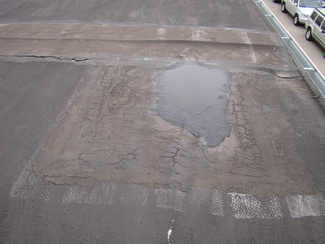
A written repair scope should identify the affected roof area, the defect being addressed, the materials or details involved, and any conditions that still need confirmation. A repair to one seam or penetration is different from work involving several sections of wet insulation or recurring drainage problems.
If the contractor suspects damage outside the visible area, the proposal should explain how additional findings will be documented and approved. That helps the owner plan for possible scope changes instead of discovering them only after the roof is open.
Owner and Contractor Coordination Checklist
Before crews arrive, the property owner or facility manager and contractor should review the operating conditions that could affect the repair:
| Coordination Item | What to Confirm Before Work Begins |
|---|---|
| Access | Which roof hatches, exterior access points, entrances, parking areas, and staging locations the crew will use, plus any keys, badges, escorts, or restricted areas |
| Protected inventory | Whether equipment, merchandise, records, sensitive materials, or occupied work areas below the repair zone need temporary protection or relocation |
| Noise and operations | Which work activities may create noise or vibration and whether they should avoid certain hours, meetings, tenant operations, medical services, or customer traffic |
| Temporary weather protection | How the contractor will keep the opened area protected if rain, wind, or another condition interrupts the repair before the roof is closed |
| Rooftop equipment | Whether HVAC units, vents, piping, communications equipment, or service access near the repair area require coordination with another trade |
For multi-tenant buildings, identify who communicates schedule changes and access restrictions to each affected tenant. Clear responsibility for those notices can prevent confusion once work begins.
Plan for Weather Without Overpromising the Schedule
A commercial roof repair schedule should account for the specific roofing material and weather conditions required for the work. Some materials, adhesives, sealants, and coatings have temperature, moisture, or wind limitations. If conditions change, the contractor should explain whether the work can continue safely or whether the roof needs temporary protection until installation can resume.
This is especially important when the repair requires opening the existing roof assembly. Weather protection should be part of the work plan before the area is opened, not improvised after conditions change.
Repair Versus a Broader Roof Project
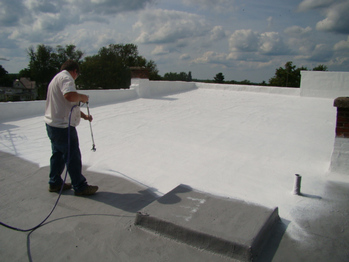
A localized repair is most appropriate when the defect is contained and the surrounding roof remains serviceable. If failures repeat across multiple areas, wet insulation extends beyond the repair zone, decking is deteriorated, or the membrane is failing broadly, the owner may need a wider assessment rather than another isolated patch.
Anderson Industrial Roofing also provides commercial roof replacement services when repair is no longer the practical scope. The repair recommendation should explain why localized work is sufficient or why a larger project needs to be considered.
Use Maintenance Records to Support Future Planning
Repair documentation becomes more useful when it is carried forward into ongoing roof maintenance. Keep photographs, invoices, repair locations, inspection notes, and records of recurring leaks or drainage concerns. That history helps the next contractor distinguish a new isolated problem from a pattern.
Anderson’s commercial roofing solutions include preventative maintenance alongside repair and other lifecycle services. Maintenance frequency should follow the actual roof system, condition, use, repair history, weather exposure, and any written manufacturer or warranty requirements that apply.
Flat Roof Repair in Farmers Branch, TX
A successful commercial roof repair should address the roof condition while also accounting for how the building operates. Confirm the repair scope, access, protected areas, noise-sensitive periods, weather protection, and the process for handling unexpected conditions before work begins. Anderson Industrial Roofing serves commercial properties in Farmers Branch, TX. Call 866-949-8016 to discuss a repair plan.
Frequently Asked Questions
Can flat roof repairs be completed while a business stays open?
Often, but not always. The answer depends on the repair scope, access, noise, safety requirements, weather, and whether work affects occupied areas below.
What should be coordinated before a commercial roof repair starts?
Confirm access, staging, protected inventory or equipment, noise-sensitive periods, rooftop equipment, temporary weather protection, and who communicates schedule changes.
When is a localized flat roof repair appropriate?
A targeted repair may fit when the defect is isolated and the surrounding membrane, insulation, drainage, flashing, and deck remain serviceable.
What happens if more damage is found after the roof is opened?
The contractor should document the additional condition, explain how it changes the scope, and follow the agreed approval process before performing extra work.