


Commercial roofs in Dallas face repeated exposure to intense heat, hail, heavy rain, wind, and normal wear from rooftop activity. A practical maintenance plan helps a property owner track those risks before a small defect becomes a larger building problem. The goal is not to react to every mark on the roof, but to keep useful records, schedule professional inspections, and know when a condition should be monitored, repaired, or evaluated for replacement.
Commercial Roof Risks in Dallas, TX
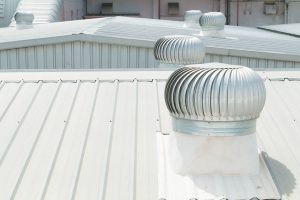
Heat and severe weather can place repeated stress on membranes, flashing, drains, penetrations, and rooftop details. Problems may also develop from foot traffic, equipment work, debris, or aging repairs. Because many commercial roof defects are difficult to judge from ground level, the useful response is to document visible symptoms and have the roof evaluated when conditions change.
Build a Usable Roof Condition Log
A roof condition log gives the building a service history. Record the date of each inspection or repair, the area involved, photographs when available, what was found, what action was taken, and when follow-up is due. Also note interior symptoms such as stains or active leaks and any major storm or rooftop work that occurred before the problem appeared.
Over time, those records help show whether a problem is isolated or recurring. When Anderson Industrial Roofing performs a roof inspection, ask for findings that can be added to the same log so future decisions are based on documented changes rather than memory alone.
Common Commercial Roofing Problems to Track
Several conditions deserve consistent attention during inspections and maintenance:
- Pitch pans and penetrations: deteriorated seals can allow water to enter around pipes or other roof openings.
- Clogged drains: debris can restrict drainage and contribute to ponding water.
- Damaged flashing: loose or deteriorated flashing can expose joints, edges, and transitions to water intrusion.
- Membrane or material damage: hail, wind, foot traffic, or aging can create punctures, lifted areas, surface damage, or other defects that need evaluation.
An interior stain does not always identify the roof entry point, and visible wear does not always show the full extent of a problem. Record what you can safely observe, then use a professional assessment to determine the repair scope.
Plan Maintenance Around Inspection Triggers
Two scheduled inspections each year are a common baseline for commercial roofs, with additional evaluation after significant hail, wind, or other severe weather. The appropriate schedule can vary with the roof system, warranty requirements, rooftop equipment, previous repairs, and building use. A maintenance plan should therefore combine recurring visits with event-based triggers rather than relying on the calendar alone.
Separate Owner and Contractor Responsibilities
Property owners and facility managers can maintain records, report interior symptoms, note storm dates, and make sure drains or problem areas are brought to the contractor’s attention. Roof access, diagnosis, and repair work should be handled according to the building’s safety procedures by qualified roofing personnel. Clear responsibility helps keep findings from being lost between inspections.
Use Escalation Priorities
Not every finding needs the same response. Active water intrusion, exposed roofing components after a storm, or conditions threatening equipment or occupied areas call for prompt professional attention. Localized flashing, drainage, or membrane defects may be candidates for scheduled repair once the scope is confirmed. Minor wear without active performance problems may be documented and rechecked at the next inspection.
If the condition log shows the same problem returning, repair areas spreading, or multiple sections deteriorating at once, ask whether continued repair is still appropriate. A broader assessment can help determine whether commercial roof replacement should be considered instead of repeated localized work.
What to Record During Each Inspection
Keep the checklist consistent so changes are easier to compare. Useful entries include interior stains or leaks, drainage concerns, damaged flashing, penetrations and pipe boots, rusted metal components, standing water, visible membrane damage, expansion-joint concerns, and areas affected by frequent foot traffic. Photographs should identify the location and date whenever possible.
If a defect needs repair, record the completed scope and the next follow-up point. If the contractor recommends monitoring instead, note what change should trigger another call. That simple step turns an inspection report into an ongoing maintenance tool instead of a document that is filed and forgotten.
Anderson Industrial Roofing provides commercial roof inspection, maintenance, repair, and replacement services in the Dallas-Fort Worth area. To discuss a roof condition or request an estimate, contact Anderson Industrial Roofing at (866) 949-8016.
Frequently Asked Questions
What should I include in a roof condition log?
Record dates, locations, photographs, findings, completed work, and the next follow-up point. Include interior symptoms and major weather events when they may help explain a change.
How often should a commercial roof in Dallas be inspected?
Two scheduled inspections per year are a common baseline, with additional evaluation after significant storms. The roof system, warranty terms, repair history, and building use may justify a different schedule.
Who should handle commercial roof maintenance?
Owners can manage records and report symptoms, while qualified roofing personnel should handle roof-level diagnosis and repair work in accordance with site safety procedures.
When should repeated repairs lead to a replacement discussion?
Ask for a broader assessment when the same problem keeps returning, repairs are spreading across multiple areas, or the roof’s overall condition makes localized work increasingly difficult to justify.